Nature Inclusive DesignsOceanus International

Oceanus International

Nature-inclusive design for offshore wind

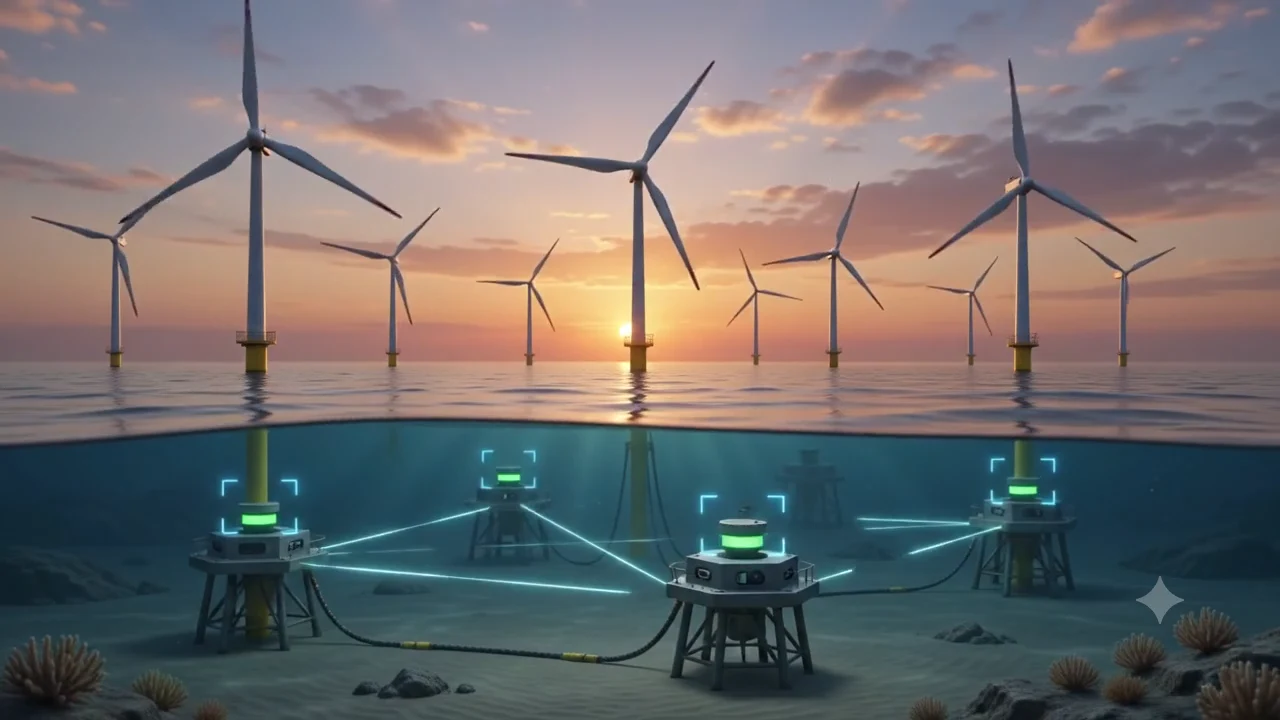
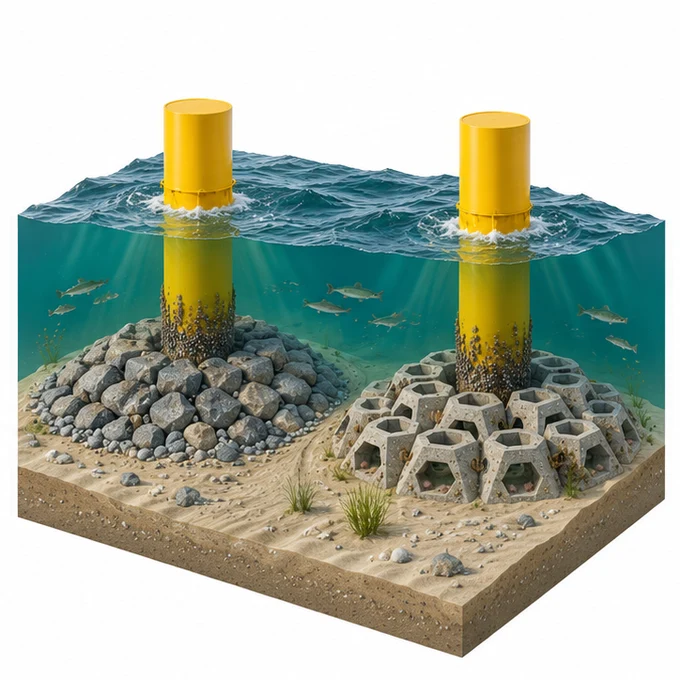
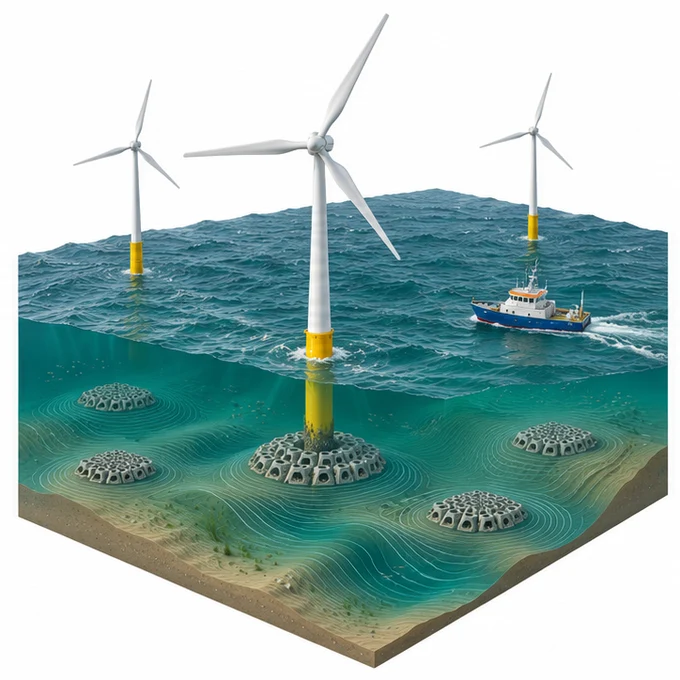
AmA® combines scour protection and marine habitat for offshore wind tenders. ElectroReef® extends that foundation with connected sensing, vessel charging and subsea hydrogen concepts.

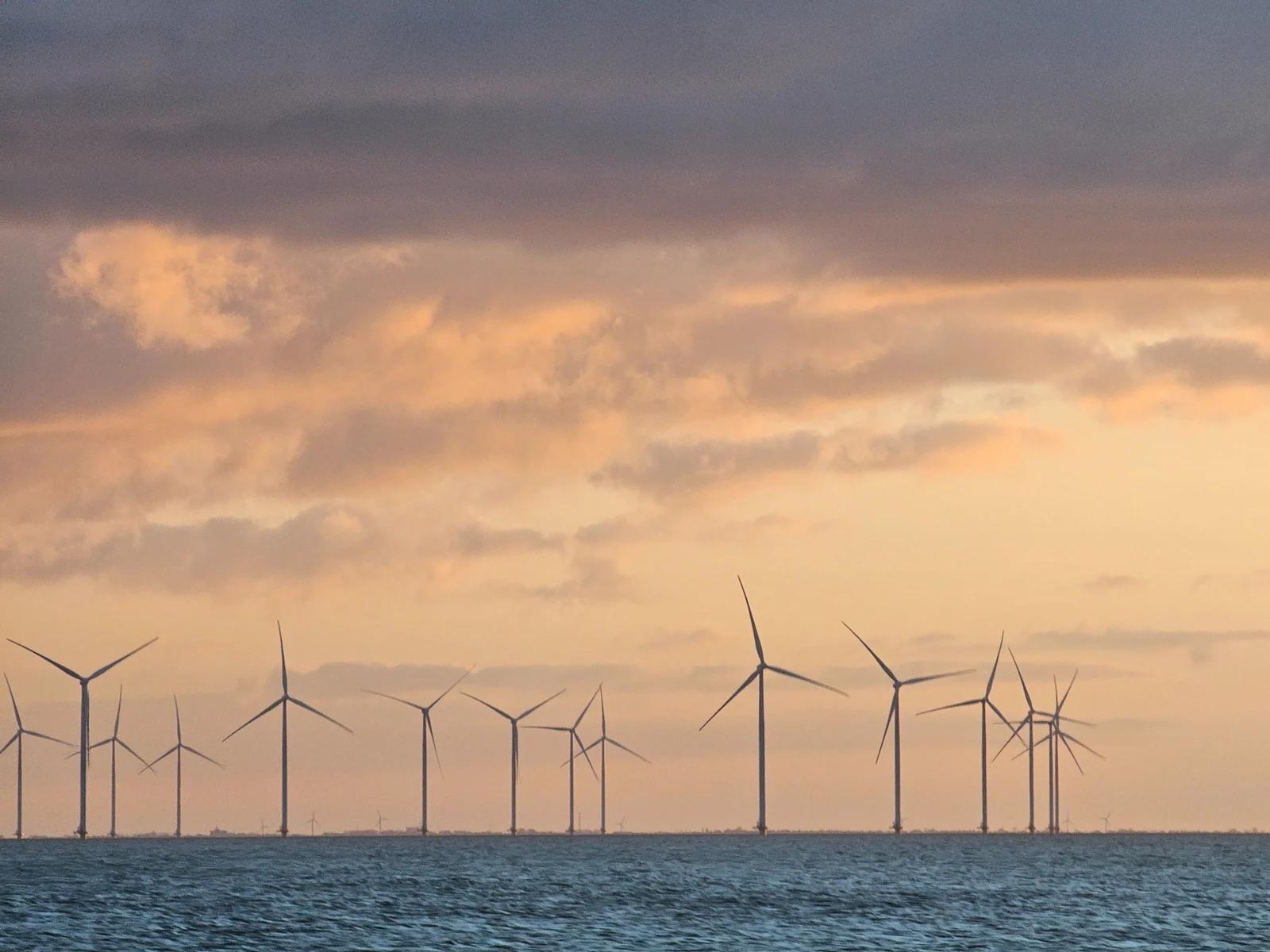
Offshore wind farm
Offshore wind farm

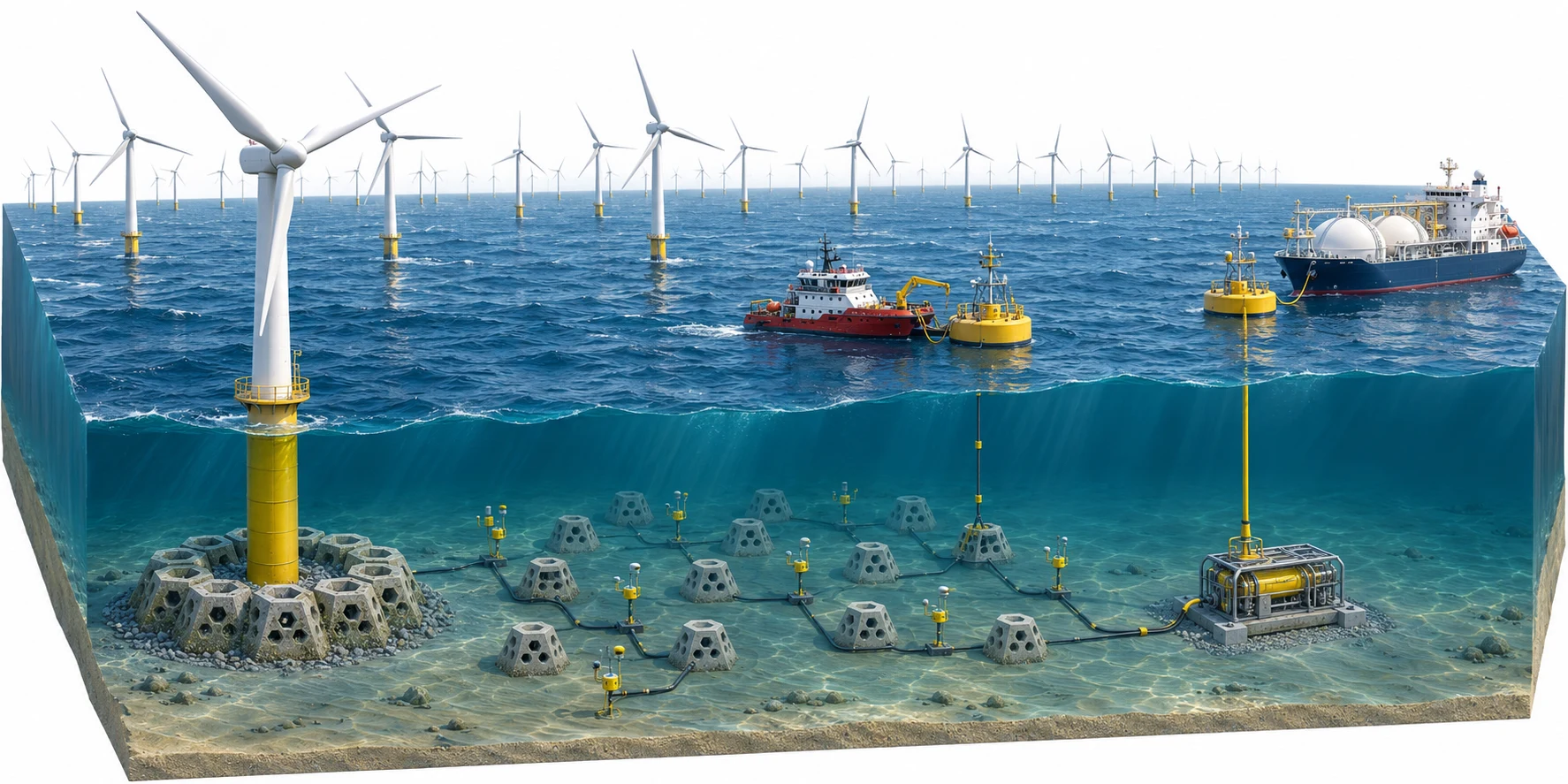
Applications across an offshore wind farm

Concept illustration. Select a label to explore each application. Layout and delivery depend on the site.

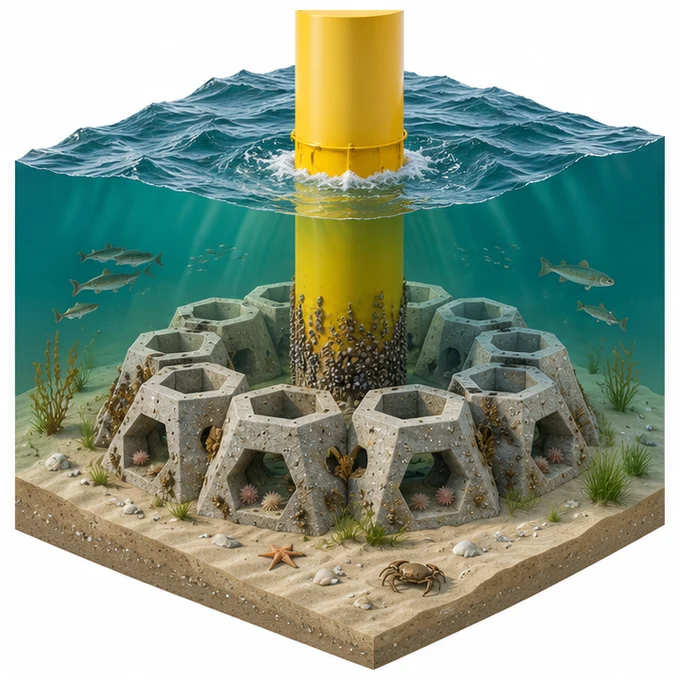
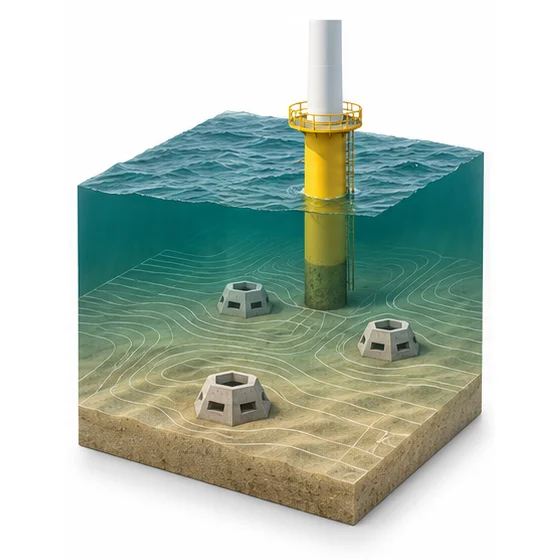
AmA® Anti-Scour

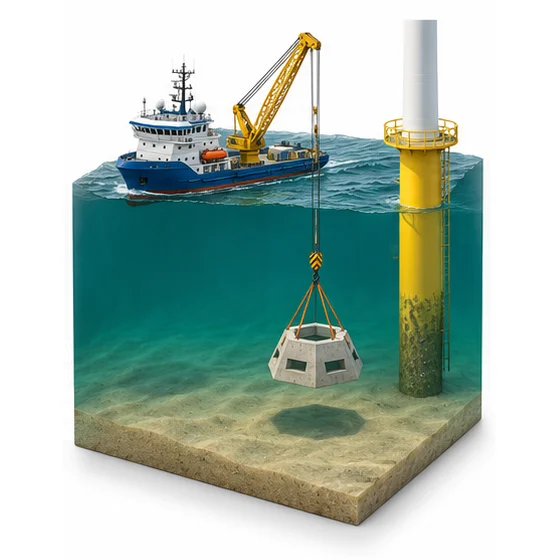
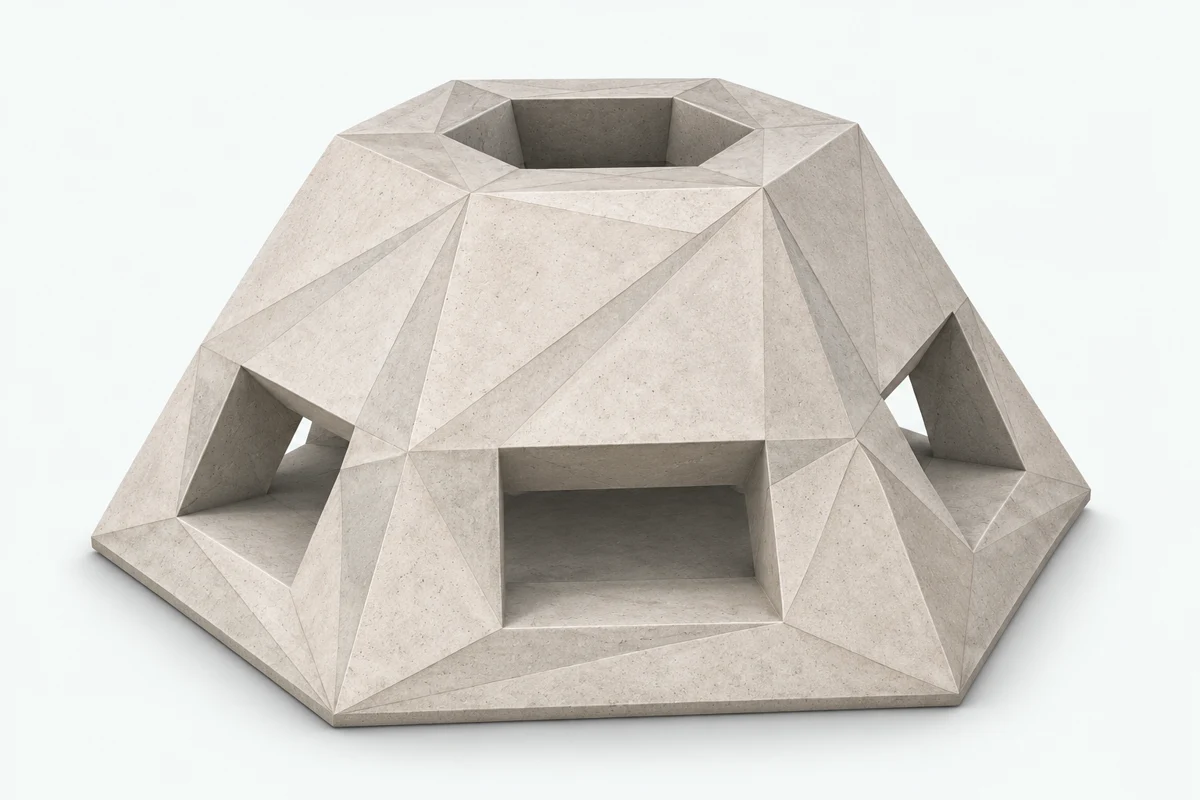
Modular artificial reefs integrate into scour protection around monopiles, suction buckets and other offshore foundations. Geometry, placement and habitat features are designed for local conditions and target species.

Explore the solution →
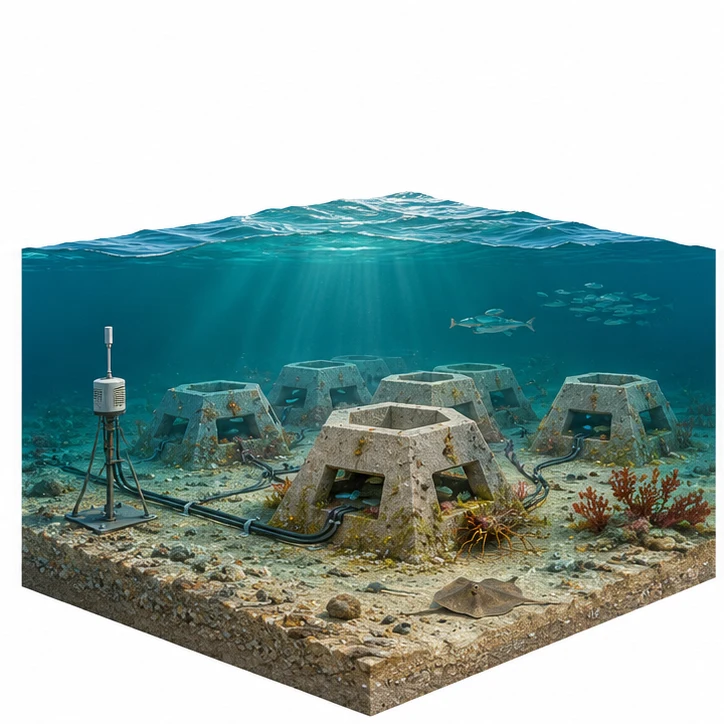
ElectroReef® Sensors

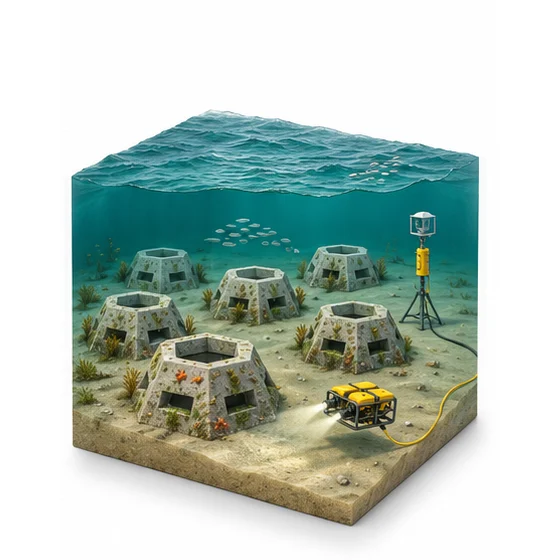
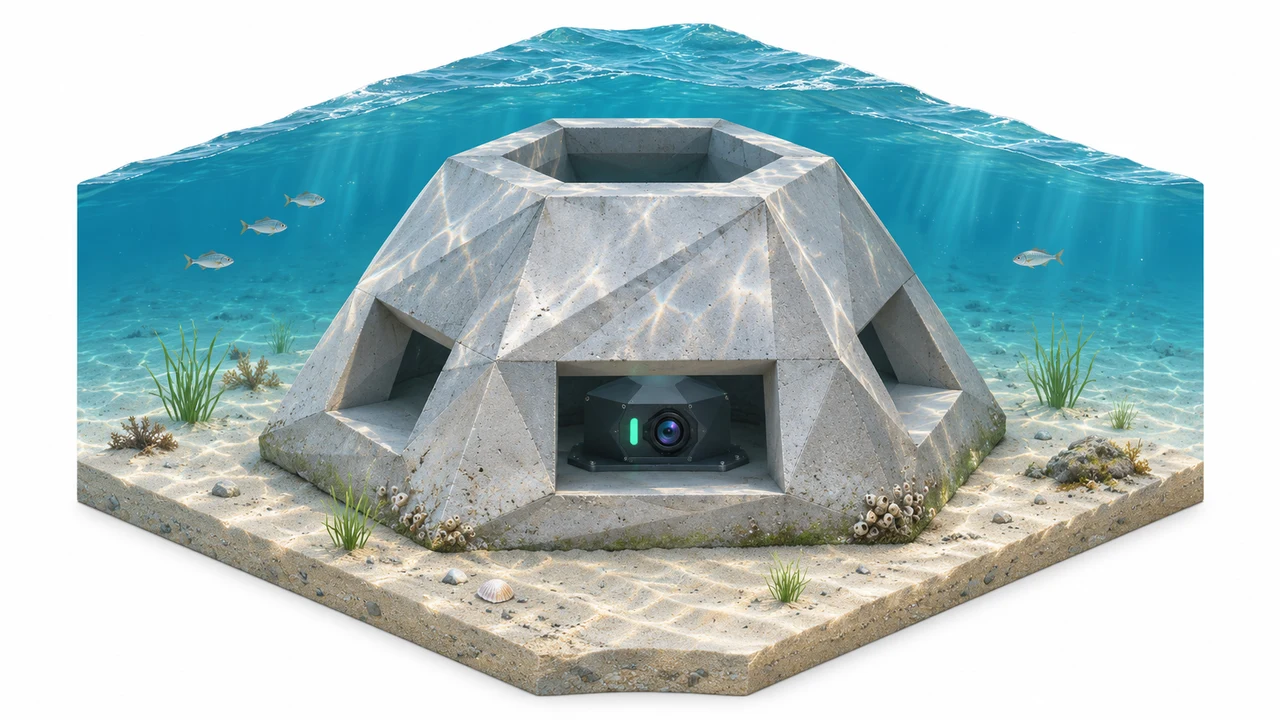
A grid of connected seabed nodes can collect operational, structural and environmental data, support asset integrity and share information with authorised operators.

Explore the solution →

ElectroReef® e-Charging

Distributed charging points for compatible service vessels. A surface monobuoy and magnetic coupling are design options for feasibility and pilot studies.

Explore the solution →
ElectroReef® Hydrogen

A marinised electrolyser produces hydrogen subsea in the proposed architecture. A dedicated monobuoy would transfer it to a suitable vessel for compression and transport to shore. Each link is subject to engineering and pilot validation.

Explore the solution →
From site assessment to monitoring

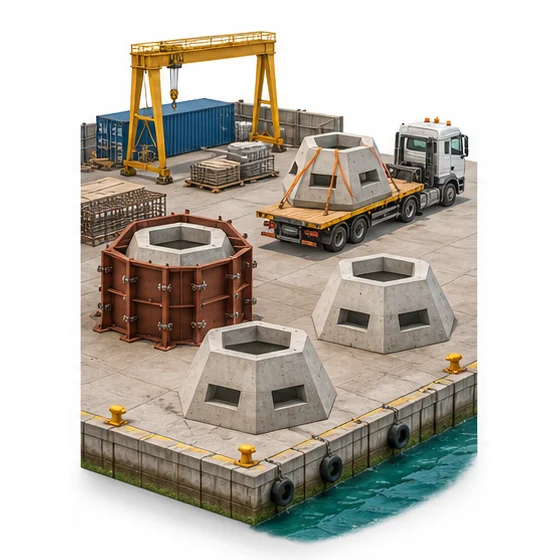
  1. Site assessment

    Review objectives, site data, access and constraints.

  2. Survey and design

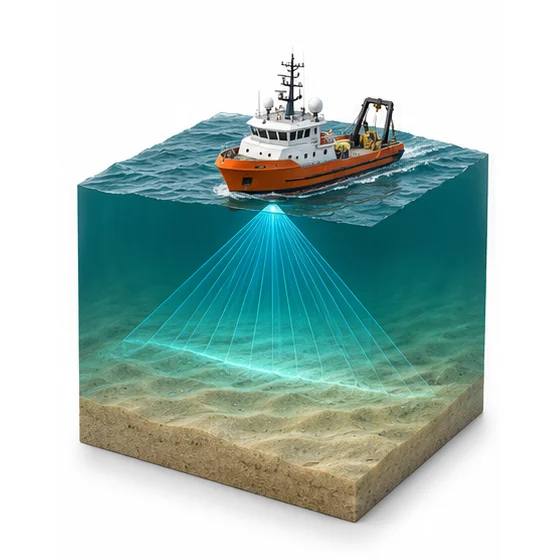
    Assess waves, currents, bathymetry and habitat, then compare configurations.

  3. Fabrication and logistics

    Define modules, quality checks, transport and handling.

  4. Installation

    Plan placement and verify the as-built layout.

  5. Monitoring

    Measure physical and ecological performance against the project objectives.

Concept illustration

Host an ElectroReef® pilot in your wind farm

Start by assessing one area for a seabed monitoring pilot. If the pilot meets the agreed objectives, we can assess extending the network or studying vessel charging and hydrogen.

What you provide
Identify a candidate area in the wind farm, share available site data and help coordinate access under the existing rights and permits.
What Oceanus delivers
We assess the site and propose the node layout, what to measure and how to report the data. If the pilot proceeds, Oceanus can install and operate the nodes under the agreed scope.
What we agree before deployment
We define the monitoring outputs you can use for tender or permit commitments, along with costs, data access and responsibilities. We agree separately how any commercial services or revenues would be handled.
Discuss a pilot
Offshore wind farm
Offshore wind farm

AmA® Defense

Persistent subsea monitoring for maritime defense and critical infrastructure

Active Persistent Modular Architecture for Subsea Defense Monitoring

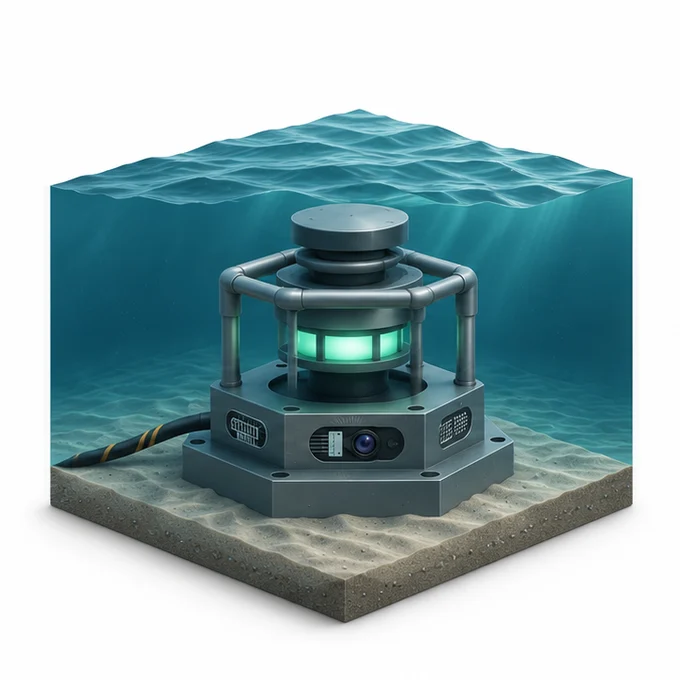
AmA® is a modular seabed monitoring concept for sites far offshore, including wind farms and other offshore infrastructure, as well as ports and coastal assets. Subsea sensors and AI-assisted analysis flag changes for review by authorised operators, port security teams and naval authorities.

Concept illustration

Modular sensor platforms

Oceanus evaluates which sensing capabilities match the asset, site conditions and monitoring objectives.

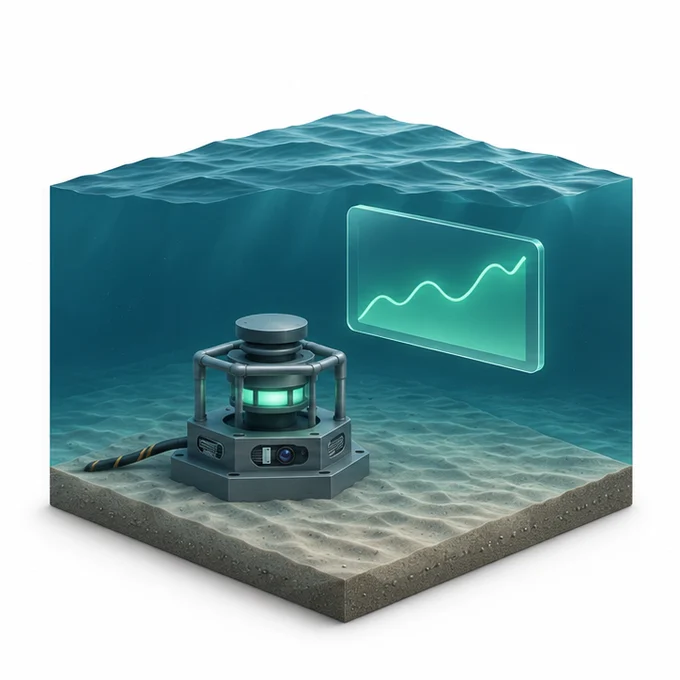
AI-assisted review

Software can flag unusual changes for analysts to review alongside the underlying sensor data.

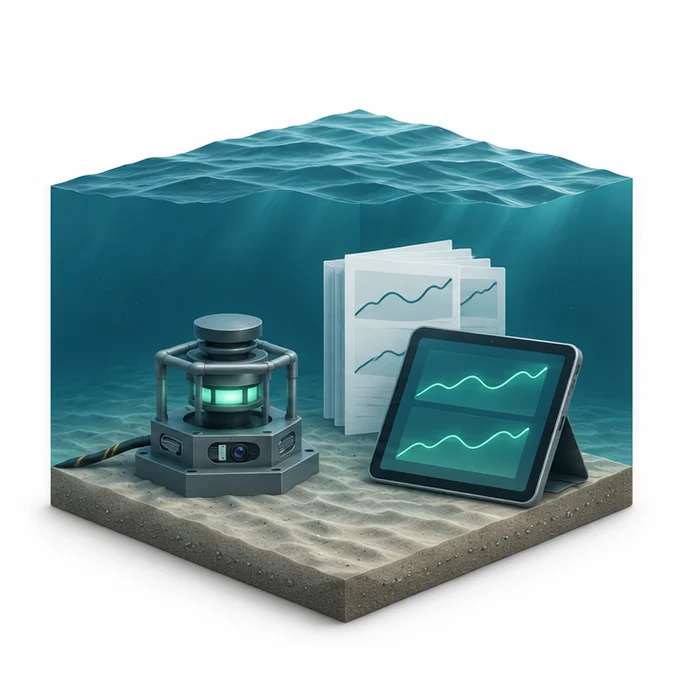
Pilot scope and reporting

We define the monitoring objectives, baseline, alert review process and data access with the operator, then evaluate performance under site conditions.

Concept illustration

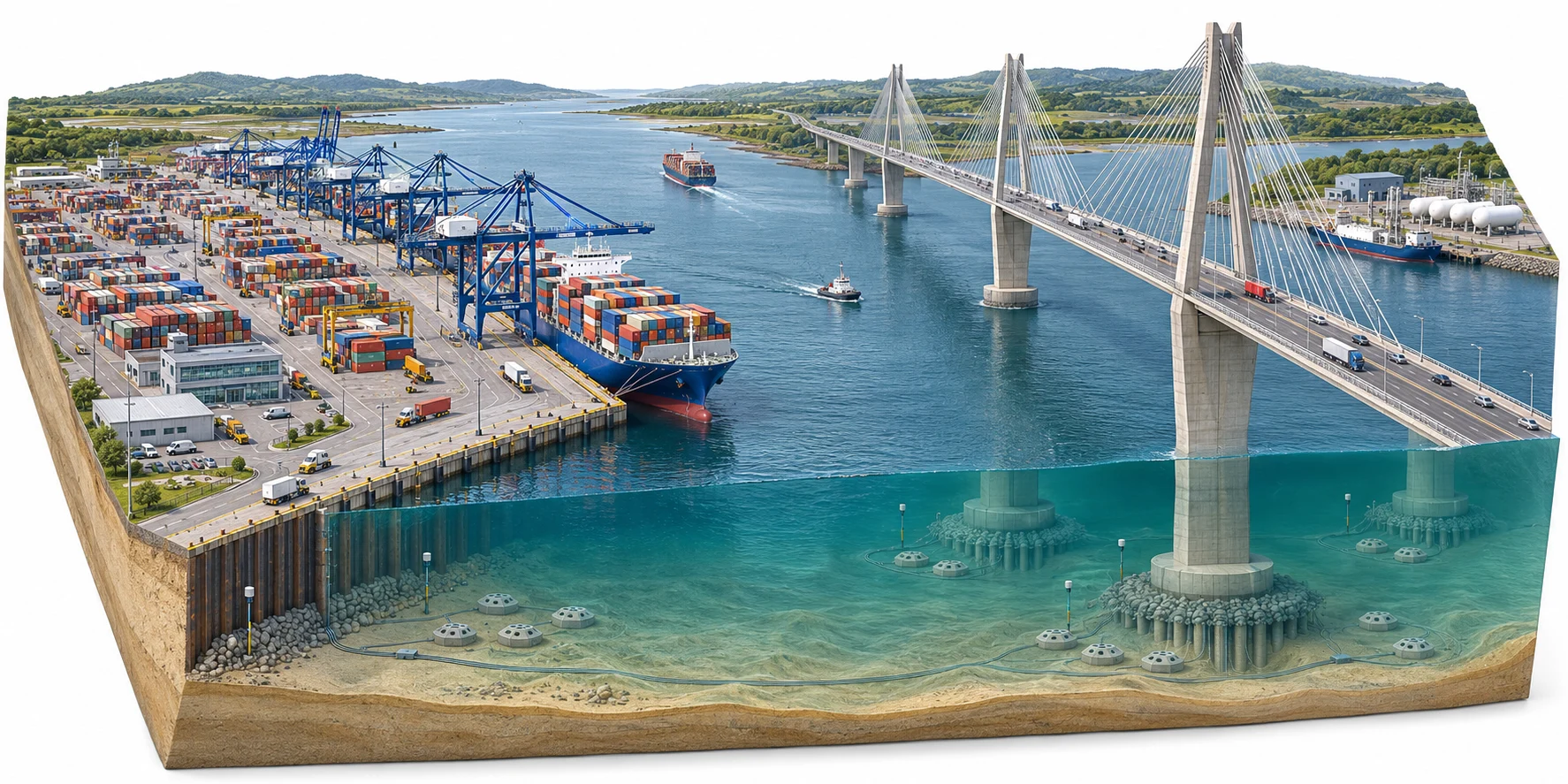
Also designed for ports, bridges and coastal sites

Sensor nodes can track changes in the seabed and habitat near bridge piers, quay walls and port foundations.

For ports with suitable energy supply and marine access, we assess how offshore hydrogen production and transfer could connect to a dedicated terminal. This is a concept for site-specific feasibility studies.

Also designed for ports, bridges and coastal sites
Concept illustration

Environmental monitoring for coastal sites

Track how water conditions, the seabed and marine habitats change around a coastal project. We establish a baseline and select indicators such as turbidity, temperature and habitat condition to match the site and the monitoring objectives.

Oceanus proposes a monitoring plan and reporting schedule to help owners compare conditions before, during and after works.

Environmental sensor housed inside an AmA® Barnacle module
Concept illustration
Subsea infrastructure and monitoring
Concept illustration

ElectroReef®

ElectroReef® brings habitat features and optional sensors into subsea infrastructure. We assess how it fits the foundation, how it will be placed and how the operator will retrieve monitoring data.

Designed for offshore wind tenders

Offshore wind and scour protection

Some tenders score the project's contribution to marine ecosystems. We map the relevant requirements and scoring criteria to habitat objectives, design measures, supporting evidence and monitoring commitments. Actual requirements and scoring depend on the tender.

RVO · IJmuiden Ver ↗

Lowering scour protection costs

We compare the conventional baseline with hybrid and modular alternatives, covering rock quantities, fabrication, vessel time, installation, inspection and maintenance. The goal is to identify site-specific savings and document the assumptions.

Offshore wave analysis · technical summary →

North Sea tender experience

We have prepared technical and commercial proposals for Dutch North Sea wind farm tenders, including foundation layouts, scour protection, target habitats, logistics and monitoring.

Explore the solution →

Concept illustration

Technical downloads

Choose a document and enter your email to download it.

Tell us about your site

Share what you want to achieve and our team will review your enquiry.

Discuss your project

Nature-inclusive design for offshore and marine infrastructure

Pricing and quotes

Design and monitoring proposals depend on baseline, site interfaces, habitat objectives, installation and the scope of monitoring.

Book a 30-minute Google Meet

Frequently asked questions

What should an offshore wind developer define first?

Set habitat and monitoring objectives and identify interfaces with foundations, scour protection, installation and inspection.

Can an existing design be reviewed?

Share the design stage, relevant site data and constraints. Oceanus can discuss which nature-inclusive measures merit technical review.

When should nature-inclusive options be reviewed?

Review them once site constraints and habitat goals can be described. Early review makes it easier to coordinate surveys, foundations and installation.

What should a monitoring proposal include?

Set measurable objectives, sampling methods, timing, comparison locations and responsibility for reporting.